

Key Takeaways
- Anxiety coping strategies work best when they combine immediate stress management with long-term emotional healing.
- Daily practices such as breathing exercises, mindfulness, regular physical activity, and healthy sleep habits can significantly reduce anxiety symptoms
- Subconscious beliefs, unresolved emotional experiences, or chronic stress patterns may also influence persistent anxiety.
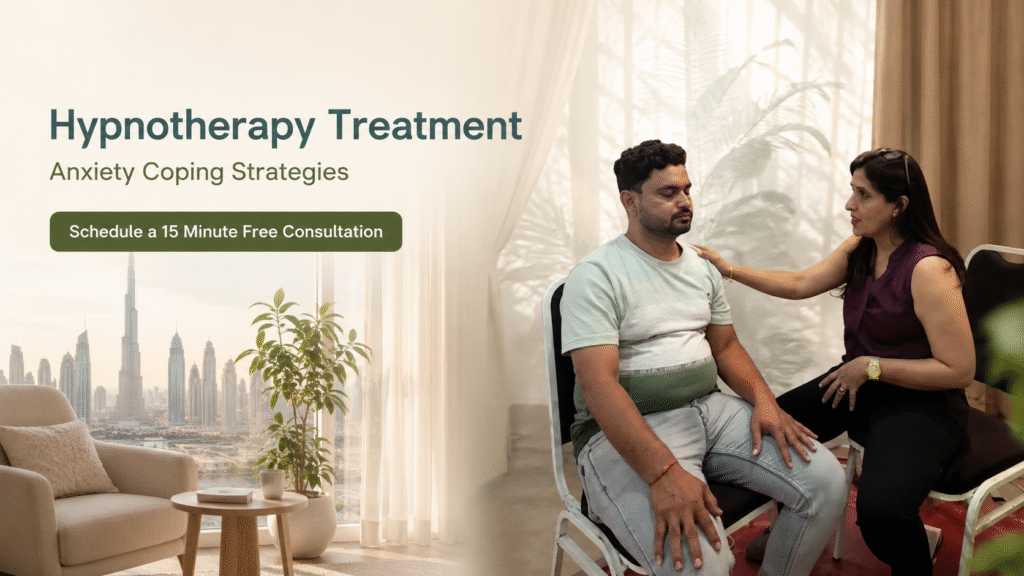
- Hypnotherapy is increasingly used as a complementary therapeutic approach to help individuals address these underlying emotional triggers.
- Seeking professional support early can improve long-term emotional well-being and quality of life.
What Are Anxiety Coping Strategies?
Anxiety coping strategies are practical techniques that help individuals manage the emotional, mental, and physical symptoms of anxiety. These strategies aim to calm the body’s stress response, improve emotional regulation, reduce excessive worry, and build resilience over time. While some techniques provide immediate relief during anxious moments, others focus on long-term emotional well-being by addressing the underlying factors contributing to anxiety.
Healthcare professionals often recommend combining lifestyle changes, psychological therapies, relaxation techniques, and professional support to create a personalised anxiety management plan.
Why Are Coping Strategies Important?
Experiencing occasional anxiety is a normal part of life. It is the body’s natural response to uncertainty, perceived danger, or stressful situations.
However, when anxiety becomes frequent, persistent, or begins interfering with work, relationships, sleep, or daily activities, it requires attention.
Without healthy coping mechanisms, anxiety may gradually affect several areas of life, including:
- Emotional well-being
- Decision-making
- Concentration and productivity
- Physical health
- Sleep quality
- Personal and professional relationships
Developing effective coping strategies enables individuals to respond to anxiety more constructively rather than becoming overwhelmed by it.
Anxiety Coping vs Anxiety Treatment
One of the most common misconceptions is that coping strategies and treatment are the same.
They are not!
Coping strategies help you manage symptoms when anxiety arises.
Anxiety Treatment focuses on identifying and addressing the underlying causes that contribute to anxiety over time.
For example:
| Anxiety Coping Strategies |
|
|---|---|
|
|
|
|
|
|
|
|
|
|
Many individuals benefit from using both approaches together.
For example, breathing exercises may help reduce anxiety in the moment, while therapeutic interventions such as hypnotherapy may help address deeper emotional patterns that continue to trigger anxious responses.
What Makes an Effective Anxiety Coping Strategy?
Not every coping strategy works equally well for everyone.
An effective strategy should:
- Help regulate your nervous system rather than simply distract you.
- Be practical enough to use consistently in everyday life.
- Reduce emotional distress without creating dependence.
- Support long-term emotional resilience.
- Complement professional care when needed.
The goal is not to eliminate anxiety completely; some anxiety is a normal and even helpful human response. Instead, effective coping strategies help you respond to stress with greater awareness, confidence, and emotional balance.
Why Does Anxiety Happen? Understanding the Science Behind Anxiety
Anxiety is the body’s natural response to perceived danger or uncertainty. It activates a complex network involving the brain, nervous system, hormones, and subconscious mind to help protect you from potential threats. While this response is essential for survival, it can become overactive in some individuals, causing persistent worry, physical symptoms, and emotional distress even when no immediate danger exists.
Anxiety is not a sign of weakness or a personality flaw. It is a biological and psychological response that, in many cases, can be understood, managed, and treated with the right combination of coping strategies and professional support.
Anxiety Is Your Brain’s Built-In Survival System
Imagine you’re walking across the road and suddenly hear a car horn behind you.
Without consciously thinking, your body reacts instantly.
Your heart starts racing.
Your muscles tense.
Your breathing becomes quicker.
Your pupils dilate.
Your brain tells you to move out of danger.
This automatic reaction is known as the fight-or-flight response, a survival mechanism that has protected humans for thousands of years.
The challenge arises when this system continues to activate even in situations that are not genuinely dangerous.
For many people living with anxiety, everyday experiences such as public speaking, attending meetings, financial pressures, social interactions, or even checking emails can trigger the same physiological response that the brain would normally reserve for life-threatening situations.
The Brain’s Role in Anxiety
The Amygdala – The Brain’s Alarm System
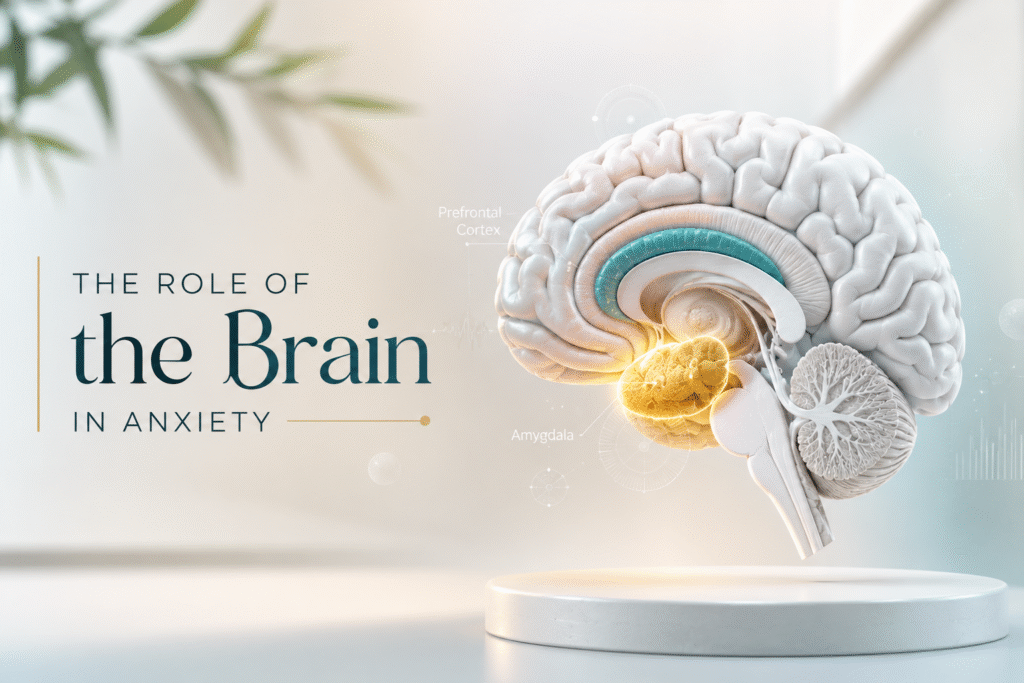
The amygdala is responsible for detecting potential danger and triggering emotional responses.
When functioning normally, it alerts the body only when genuine threats exist.
Research has shown that people experiencing chronic anxiety often have a more reactive amygdala, meaning the brain may interpret harmless situations as dangerous.
This can explain why someone may feel intense fear before a presentation, during a flight, or while waiting for a medical report, even when there is no immediate physical threat.
The Prefrontal Cortex – The Rational Decision Maker
The prefrontal cortex helps us think logically, regulate emotions, and evaluate whether a situation is actually dangerous.
During periods of heightened anxiety, the amygdala can become so active that it temporarily overrides the prefrontal cortex.
As a result, logical thinking becomes more difficult.
This is why people often describe anxiety as:
- “I know I’m safe, but I still can’t stop worrying.”
- “My mind keeps imagining the worst-case scenario.”
- “I can’t think clearly when I’m anxious.”
The Hippocampus – Memory and Emotional Learning
The hippocampus plays an important role in storing memories and learning from experiences.
It also helps the brain distinguish between past events and present reality.
Chronic stress and prolonged anxiety may affect how the hippocampus processes emotional memories, making previous stressful experiences feel more immediate than they actually are.
This can contribute to recurring anxiety patterns and heightened emotional sensitivity.
The Role of Stress Hormones
When your brain detects danger, it activates the body’s stress response by releasing hormones such as:
- Adrenaline
- Cortisol
These hormones prepare the body to respond quickly by:
- Increasing heart rate
- Raising blood pressure
- Redirecting blood flow to major muscles
- Increasing alertness
- Suppressing non-essential functions like digestion
This response is highly effective during genuine emergencies.
However, when stress hormones remain elevated over long periods, they may contribute to:
- Persistent fatigue
- Difficulty sleeping
- Digestive issues
- Muscle tension
- Reduced concentration
- Increased emotional reactivity
This is one reason why chronic anxiety often affects both mental and physical health.
Why Does Anxiety Become Chronic?
For some individuals, anxiety continues long after the original source of stress has passed.
Several factors may contribute to this, including:
- Genetics and family history
- Childhood experiences
- Traumatic events
- Long-term workplace stress
- Major life transitions
- Chronic health conditions
- Sleep deprivation
- Lifestyle habits
Rather than resulting from a single cause, anxiety often develops through the interaction of biological, psychological, and environmental factors.
The Subconscious Mind and Anxiety
One aspect that is often overlooked is the role of the subconscious mind.
Many emotional responses occur automatically, without conscious thought.
For example, someone who experienced repeated criticism during childhood may unconsciously associate mistakes with rejection or failure.
Years later, receiving constructive feedback at work might trigger anxiety, not because the situation is objectively threatening, but because the brain has learned to connect similar experiences with emotional discomfort.
Over time, these subconscious patterns can influence how individuals respond to everyday situations.
While practical coping strategies help regulate immediate symptoms, therapeutic approaches that work with subconscious emotional patterns may provide additional support for some people experiencing persistent anxiety.
Anxiety Can Be Managed
The encouraging news is that the brain is adaptable.
Research into neuroplasticity has shown that the brain can develop new neural pathways throughout life.
Healthy coping strategies, psychological therapies, mindfulness practices, and approaches such as hypnotherapy may all contribute to helping individuals respond to stress in healthier and more balanced ways.
The goal is not to eliminate every anxious thought but to train the brain and body to respond more appropriately to situations that no longer represent genuine danger.
Key Insights
- Anxiety begins as a natural survival response.
- The amygdala, prefrontal cortex, and hippocampus all play important roles in how anxiety develops.
- Chronic activation of the stress response can affect both emotional and physical health.
- Subconscious emotional learning may influence how individuals react to present-day situations.
- The brain’s ability to change through neuroplasticity offers hope for long-term recovery.
How Does Anxiety Affect the Mind and Body?
Anxiety affects both the mind and body by activating the body’s stress response system. While short-term anxiety is a normal protective response, persistent anxiety can disrupt emotional well-being, physical health, cognitive function, behaviour, sleep quality, and overall quality of life.
Symptoms vary from person to person and may include excessive worry, difficulty concentrating, muscle tension, rapid heartbeat, digestive discomfort, fatigue, and changes in behaviour.
Emotional Symptoms of Anxiety
People experiencing anxiety often report:
- Persistent worry or fear
- Feeling overwhelmed
- Irritability
- Restlessness
- Emotional exhaustion
- Feeling constantly “on edge”
These emotional responses occur because the brain remains in a heightened state of alertness, even when no immediate danger is present.
Cognitive Symptoms of Anxiety
Anxiety can interfere with normal thinking and decision-making.
Common cognitive symptoms include:
- Racing thoughts
- Overthinking
- Difficulty concentrating
- Poor memory during stressful situations
- Constant worst-case thinking
- Indecisiveness
When anxiety is prolonged, the brain prioritises identifying potential threats over logical reasoning, making everyday decisions feel more challenging.
Physical Symptoms of Anxiety
(Insert body symptoms infographic here)
Although anxiety is a psychological condition, its effects are often experienced physically.
Common symptoms include:
- Rapid heartbeat
- Chest tightness
- Shortness of breath
- Muscle tension
- Headaches
- Sweating
- Trembling
- Digestive discomfort
- Fatigue
- Sleep disturbances
These symptoms are caused by the body’s natural fight-or-flight response and are not always a sign of an underlying medical illness.
Behavioural Symptoms of Anxiety
Anxiety can also influence daily behaviour.
Examples include:
- Avoiding social situations
- Procrastinating important tasks
- Seeking constant reassurance
- Cancelling plans
- Withdrawing from family or friends
- Avoiding situations associated with stress
Avoidance may provide temporary relief, but over time it can reinforce anxiety by teaching the brain that these situations are dangerous.
When Should You Seek Professional Support?
Consider speaking with a qualified healthcare professional if anxiety:
- Persists for several weeks or longer
- Interferes with work or studies
- Affects relationships
- Causes sleep disturbances
- Leads to panic attacks
- Limits your ability to enjoy daily life
Seeking support early often improves treatment outcomes and helps prevent symptoms from becoming more severe.
Key Takeaway
Anxiety is more than excessive worry. It affects emotional health, physical well-being, thinking patterns, and behaviour. Recognising these symptoms early makes it easier to adopt effective coping strategies and seek professional support when needed.
12 Evidence-Based Anxiety Coping Strategies That Support Long-Term Emotional Well-being
There is no single coping strategy that works for everyone. Anxiety is influenced by biological, psychological, emotional, and environmental factors, which means managing it often requires a combination of approaches rather than a single technique.
Mental health professionals generally recommend combining immediate calming techniques with long-term lifestyle changes and, where appropriate, professional therapeutic support. While some strategies help regulate the body’s stress response in the moment, others focus on building emotional resilience and addressing the underlying patterns that contribute to ongoing anxiety.
Whether you’re experiencing occasional stress or living with persistent anxiety, the following evidence-based strategies can help you better understand and manage your symptoms.
Important: The coping strategies below are educational in nature and are not intended to replace medical advice. If anxiety is significantly affecting your daily life, consider consulting a qualified healthcare professional or mental health practitioner.
1. Practise Controlled Breathing to Regulate Your Nervous System
What is controlled breathing?
Controlled breathing is a relaxation technique that involves slowing and deepening your breath to help regulate the body’s stress response. It is one of the quickest and most accessible methods for reducing the physical symptoms of anxiety and restoring a sense of calm.
Unlike automatic breathing, controlled breathing requires conscious attention to the rhythm and depth of each breath. This simple practice sends signals to the brain that the immediate threat has passed, encouraging the nervous system to shift from a heightened state of alertness to a calmer, more balanced state.
Why does controlled breathing help with anxiety?
When anxiety increases, breathing often becomes shallow and rapid.
This pattern can intensify symptoms such as:
- Rapid heartbeat
- Chest tightness
- Dizziness
- Muscle tension
- Feeling overwhelmed
By slowing the breath, you activate the parasympathetic nervous system, often referred to as the body’s natural “rest and restore” system. This helps reduce physiological arousal, lower heart rate, and improve emotional regulation.
Research published in leading medical journals has shown that slow breathing techniques can reduce stress, improve heart rate variability, and support emotional resilience in individuals experiencing anxiety.
How to practise controlled breathing
A simple technique recommended by many healthcare professionals is Box Breathing.
- Inhale gently through your nose for four seconds.
- Hold your breath for four seconds.
- Exhale slowly through your mouth for four seconds.
- Pause for another four seconds before repeating.
Repeat this cycle for three to five minutes.
The goal is not to force your breathing but to develop a slow, comfortable rhythm that allows your body to relax naturally.
When can this technique be useful?
Controlled breathing may be particularly beneficial before or during:
- Public speaking
- Job interviews
- Workplace meetings
- Air travel
- Medical appointments
- Difficult conversations
- Panic episodes
For professionals living and working in Dubai and across the United Arab Emirates, controlled breathing can also be an effective way to manage the pressures of demanding work schedules, long commutes, and high-performance environments.
What are the limitations?
Controlled breathing is highly effective for reducing the immediate physical symptoms of anxiety.
However, if anxiety is driven by unresolved emotional experiences, subconscious beliefs, or long-standing behavioural patterns, breathing exercises alone may not address the underlying causes.
This is why many mental health professionals recommend combining self-help techniques with evidence-based therapeutic approaches when anxiety becomes persistent.
Professional Perspective
At Arrati Vinay Tuteja’s practice in Dubai, breathing exercises are often introduced as part of a broader therapeutic process. Helping clients regulate their nervous system creates a calmer foundation for exploring the deeper emotional patterns that may be contributing to ongoing anxiety.
For individuals who experience recurring anxiety despite practising relaxation techniques, hypnotherapy may help uncover subconscious triggers and support long-term emotional resilience as part of a personalised therapeutic plan.
Key Takeaway
Controlled breathing is one of the most accessible and research-supported anxiety coping strategies. It can provide immediate relief during stressful moments, improve emotional regulation, and serve as an effective first step in a comprehensive anxiety management plan.
2. Practise Mindfulness to Stay Present
What is mindfulness?
Mindfulness is the practice of focusing your attention on the present moment without judgment. It helps reduce anxious thinking by shifting your focus away from future uncertainties and back to what is happening right now.
Why it helps
People with anxiety often become caught in cycles of “what if” thinking. Mindfulness encourages awareness instead of reaction, helping reduce mental overwhelm and improve emotional regulation.
Research has shown that regular mindfulness practice can reduce symptoms of anxiety, improve concentration, and support overall emotional well-being.
How to get started
Begin with five to ten minutes each day by:
- Focusing on your breathing
- Observing your thoughts without reacting to them
- Paying attention to physical sensations
- Practising guided mindfulness meditation
Professional Insight
Mindfulness helps calm the conscious mind, while hypnotherapy can help explore the subconscious beliefs that may be contributing to recurring anxiety. Together, they can complement a comprehensive anxiety management plan.
3. Stay Physically Active
Why exercise matters
Regular physical activity is one of the most effective natural ways to reduce anxiety. Exercise encourages the release of endorphins, improves sleep quality, lowers stress hormone levels, and supports better emotional health.
Practical ideas
You don’t need an intense workout to experience the benefits.
Consider:
- A 30-minute walk
- Swimming
- Yoga
- Cycling
- Strength training
- Stretching exercises
For busy professionals in Dubai and the UAE, even short walks during lunch breaks or evening exercise can help reduce daily stress and improve mental clarity.
Key Takeaway
Consistency is more important than intensity. Aim for regular movement that fits your lifestyle.
4. Prioritise Restful Sleep
Why sleep affects anxiety
Poor sleep and anxiety often create a cycle where one worsens the other. Lack of quality sleep can increase emotional sensitivity, while anxiety makes it harder to fall asleep.
Healthy sleep habits
- Maintain a regular sleep schedule.
- Avoid screens before bedtime.
- Limit caffeine in the evening.
- Create a calm sleeping environment.
- Practise relaxation techniques before bed.
Professional Insight
If racing thoughts consistently interfere with sleep, addressing the emotional causes of anxiety through professional support may also improve long-term sleep quality.
5. Write Down Your Thoughts Through Journaling
Why journaling works
Writing your thoughts down can help organise emotions, identify anxiety triggers, and reduce mental overload.
Rather than keeping worries in your mind, journaling creates space for reflection and problem-solving.
Questions to explore
- What am I feeling right now?
- What triggered these emotions?
- Is there evidence supporting this worry?
- What is one practical step I can take today?
Key Takeaway
Journaling encourages self-awareness, making it easier to recognise recurring thought patterns and emotional triggers.
6. Use Grounding Techniques During Moments of Anxiety
What are grounding techniques?
Grounding techniques help bring your attention back to the present when anxiety feels overwhelming.
One of the most effective methods is the 5-4-3-2-1 technique:
- 5 things you can see
- 4 things you can touch
- 3 things you can hear
- 2 things you can smell
- 1 thing you can taste
Why it helps
Grounding interrupts anxious thinking by redirecting your attention to your immediate surroundings, helping reduce feelings of panic and regain a sense of control.
7. Practise Progressive Muscle Relaxation (PMR)
What is Progressive Muscle Relaxation?
Progressive Muscle Relaxation (PMR) is a simple technique that involves gently tensing and then relaxing different muscle groups throughout the body. It helps reduce physical tension, which is one of the most common symptoms of anxiety.
Why it helps
When you’re anxious, your muscles often remain unconsciously tight, especially in the neck, shoulders, jaw, and back. PMR helps release this tension, sending calming signals to the brain and promoting relaxation.
Research suggests that PMR may help reduce anxiety symptoms, improve sleep quality, and lower overall stress levels when practised regularly.
How to practise
Starting from your feet and moving upwards:
- Tense each muscle group for 5 seconds.
- Slowly release for 10–15 seconds.
- Notice the difference between tension and relaxation.
Practising for 10–15 minutes each day can support both physical and emotional well-being.
8. Reduce Caffeine and Other Stimulants
Why it matters
While coffee and energy drinks can temporarily improve alertness, excessive caffeine may worsen anxiety by stimulating the nervous system.
High caffeine intake can contribute to:
- Increased heart rate
- Restlessness
- Nervousness
- Sleep disturbances
- Heightened anxiety symptoms
Practical tips
You don’t necessarily need to eliminate caffeine completely.
Instead:
- Monitor how much you consume each day.
- Avoid caffeine later in the afternoon.
- Consider switching to herbal tea or decaffeinated alternatives.
- Stay hydrated throughout the day.
For many professionals in Dubai and the UAE, reducing caffeine while improving sleep and hydration can significantly improve daily stress management.
9. Build a Strong Support System
Why social support matters
Anxiety often becomes more difficult to manage in isolation.
Talking openly with trusted family members, friends, mentors, or mental health professionals can reduce emotional burden and provide valuable perspective.
Healthy support may include
- Speaking with someone you trust
- Joining support groups
- Spending quality time with family
- Connecting with community groups
- Seeking professional counselling when needed
Remember, asking for help is a sign of self-awareness, not weakness.
10. Challenge Negative Thought Patterns
What is cognitive reframing?
People experiencing anxiety often develop automatic negative thoughts that exaggerate potential risks or predict the worst possible outcomes.
Cognitive reframing involves learning to question these thoughts and replace them with more balanced, realistic perspectives.
Try asking yourself
- Is this fear based on facts or assumptions?
- What evidence supports this thought?
- What would I say to a friend in the same situation?
- Is there another way to interpret what’s happening?
Changing thought patterns takes time, but small shifts in perspective can gradually reduce anxious thinking.
11. Know When to Seek Professional Support
When should you consider professional help?
While self-help strategies can be highly effective, professional support may be beneficial if anxiety:
- Persists despite lifestyle changes
- Interferes with work or studies
- Affects relationships
- Causes panic attacks
- Impacts sleep or physical health
- Prevents you from enjoying everyday life
Evidence-based treatment options may include:
- Cognitive Behavioural Therapy (CBT)
- Counselling
- Acceptance and Commitment Therapy (ACT)
- Medication (when recommended by a medical professional)
- Clinical hypnotherapy
Seeking support early can often improve recovery and help prevent anxiety from becoming more disruptive over time.
12. Explore Hypnotherapy as Part of a Long-Term Anxiety Management Plan
How can hypnotherapy help with anxiety?
While many coping strategies focus on managing symptoms, hypnotherapy aims to explore the deeper emotional patterns that may contribute to ongoing anxiety.
For some individuals, persistent anxiety is linked to subconscious beliefs, unresolved emotional experiences, or past events that continue to influence thoughts and behaviours without conscious awareness.
Working with a qualified hypnotherapist can help individuals identify these patterns and develop healthier emotional responses.
What happens during hypnotherapy?
Clinical hypnotherapy typically involves:
- Understanding your personal challenges and goals
- Entering a deeply relaxed yet focused state
- Exploring subconscious thought patterns in a safe environment
- Reframing limiting beliefs
- Reinforcing positive coping mechanisms and emotional resilience
Throughout the process, individuals remain aware and in control.
Why choose hypnotherapy?
Many people explore hypnotherapy because it complements traditional anxiety management by working beyond conscious thought patterns.
It may be particularly helpful for those experiencing:
- Persistent worry
- Performance anxiety
- Fear of failure
- Low self-confidence
- Emotional blocks
- Stress related to work or major life transitions
For residents of Dubai, Abu Dhabi, Sharjah, and across the United Arab Emirates, professional hypnotherapy sessions are available both in person and online, making support accessible regardless of location or schedule.
Professional Support with Arrati Vinay Tuteja
Arrati Vinay Tuteja offers personalised hypnotherapy sessions designed to help individuals better understand their anxiety, strengthen emotional resilience, and work towards lasting positive change.
Every individual experiences anxiety differently. For this reason, each consultation begins with a comprehensive assessment to understand your unique experiences, goals, and therapeutic needs before developing a personalised treatment approach.
If you’re looking for hypnotherapy for anxiety in Dubai or prefer the convenience of online sessions anywhere in the UAE or internationally, professional guidance can help you take the next step towards improved emotional well-being.
Ready to Take the First Step Towards Better Emotional Well-being?
If anxiety is affecting your confidence, relationships, work, or overall quality of life, personalised support can help you better understand the underlying emotional patterns and develop healthier responses.
Book Your Complimentary 15-Minute Consultation
Online & In-Person Sessions • Dubai • UAE • Worldwide
Section Summary
Managing anxiety is not about finding one perfect solution; it is about building a personalised toolkit that supports both your immediate needs and long-term emotional health.
Simple daily practices such as mindful breathing, regular exercise, healthy sleep, journaling, and grounding techniques can make a meaningful difference. When anxiety persists despite these efforts, seeking professional support can provide deeper insight and personalised care.
Why Anxiety Coping Strategies Sometimes Aren’t Enough
Direct Answer
Anxiety coping strategies are highly effective for managing symptoms, but they may not always address the underlying emotional patterns that contribute to recurring anxiety. For some individuals, persistent anxiety is influenced by subconscious beliefs, unresolved emotional experiences, chronic stress, or past trauma that continue to affect the brain’s automatic response to everyday situations.
This is why some people experience only temporary relief, even after consistently practising breathing exercises, mindfulness, journaling, or other healthy coping techniques.
Managing Symptoms vs Addressing the Root Cause
Imagine receiving a warning light on your car’s dashboard.
You could place a piece of tape over the light so you no longer see it, but the underlying issue would still exist.
Anxiety can sometimes work in a similar way.
Many coping strategies are designed to reduce the intensity of anxious feelings in the moment. They are valuable because they help regulate the nervous system, improve emotional awareness, and restore a sense of calm.
However, if the deeper emotional trigger remains unresolved, similar situations may continue to produce the same anxious response.
This does not mean coping strategies are ineffective. Rather, it highlights that symptom management and long-term emotional healing often work best together.
Why Anxiety May Keep Returning
Many people are surprised when anxiety returns despite making positive lifestyle changes.
This can happen because anxiety is rarely caused by a single factor. Instead, it often develops through a combination of experiences and influences, such as:
- Long-term workplace stress
- Childhood conditioning
- Perfectionism
- Fear of failure
- Relationship difficulties
- Significant life transitions
- Traumatic experiences
- Chronic health concerns
Over time, these experiences can shape automatic thought patterns and emotional responses that become deeply ingrained.
Even when the original situation has passed, the brain may continue responding as though the threat still exists.
The Role of the Subconscious Mind
Modern neuroscience suggests that much of our daily behaviour is influenced by subconscious processing.
Without conscious awareness, the mind constantly draws upon previous experiences to determine how we respond to new situations.
For example:
Someone who repeatedly experienced criticism while growing up may develop a subconscious belief that making mistakes leads to rejection.
Years later, receiving constructive feedback at work may trigger anxiety, not because the feedback itself is harmful, but because the brain has associated similar experiences with emotional discomfort.
This helps explain why two people can experience the same situation but respond in completely different ways.
Our subconscious beliefs, emotional memories, and life experiences all influence how we perceive the world.
When Self-Help Alone May Not Be Enough
Self-help strategies remain an essential part of anxiety management.
However, if you notice any of the following, it may be time to consider professional support:
- Anxiety keeps returning despite trying multiple coping techniques.
- Panic attacks are becoming more frequent.
- Worry is affecting your career, relationships, or quality of life.
- Sleep continues to be disrupted.
- You feel emotionally exhausted or overwhelmed most days.
- You avoid situations that were once comfortable.
Seeking professional guidance does not mean you have failed.
It means you’re recognising that your emotional well-being deserves the same attention as your physical health.
A Holistic Approach to Anxiety Management
The most effective anxiety management plans are often those that combine multiple approaches.
For many individuals, this may include:
- Healthy lifestyle habits
- Regular physical activity
- Mindfulness and relaxation techniques
- Cognitive and behavioural therapies
- Strong social support
- Professional guidance
- Complementary approaches such as hypnotherapy, where appropriate
Rather than relying on a single solution, a personalised approach allows individuals to develop strategies that align with their unique experiences, goals, and emotional needs.
A Growing Focus on Emotional Well-being in Dubai and the UAE
Across Dubai and the United Arab Emirates, awareness of mental health has grown significantly in recent years. More individuals and organisations are recognising the importance of emotional well-being alongside physical health.
Professionals balancing demanding careers, entrepreneurs managing business pressures, parents navigating family responsibilities, and expatriates adapting to life in a new country are increasingly seeking evidence-based approaches to managing anxiety and stress.
This growing awareness has also led many people to explore complementary therapies, including hypnotherapy, as part of a broader, personalised approach to emotional wellness.
Why Anxiety Coping Strategies Sometimes Aren’t Enough
Direct Answer
Anxiety coping strategies are highly effective for managing symptoms, but they may not always address the underlying emotional patterns that contribute to recurring anxiety. For some individuals, persistent anxiety is influenced by subconscious beliefs, unresolved emotional experiences, chronic stress, or past trauma that continue to affect the brain’s automatic response to everyday situations.
This is why some people experience only temporary relief, even after consistently practising breathing exercises, mindfulness, journaling, or other healthy coping techniques.
Managing Symptoms vs Addressing the Root Cause
Imagine receiving a warning light on your car’s dashboard.
You could place a piece of tape over the light so you no longer see it, but the underlying issue would still exist.
Anxiety can sometimes work in a similar way.
Many coping strategies are designed to reduce the intensity of anxious feelings in the moment. They are valuable because they help regulate the nervous system, improve emotional awareness, and restore a sense of calm.
However, if the deeper emotional trigger remains unresolved, similar situations may continue to produce the same anxious response.
This does not mean coping strategies are ineffective. Rather, it highlights that symptom management and long-term emotional healing often work best together.
Why Anxiety May Keep Returning
Many people are surprised when anxiety returns despite making positive lifestyle changes.
This can happen because anxiety is rarely caused by a single factor. Instead, it often develops through a combination of experiences and influences, such as:
- Long-term workplace stress
- Childhood conditioning
- Perfectionism
- Fear of failure
- Relationship difficulties
- Significant life transitions
- Traumatic experiences
- Chronic health concerns
Over time, these experiences can shape automatic thought patterns and emotional responses that become deeply ingrained.
Even when the original situation has passed, the brain may continue responding as though the threat still exists.
The Role of the Subconscious Mind
Modern neuroscience suggests that much of our daily behaviour is influenced by subconscious processing.
Without conscious awareness, the mind constantly draws upon previous experiences to determine how we respond to new situations.
For example:
Someone who repeatedly experienced criticism while growing up may develop a subconscious belief that making mistakes leads to rejection.
Years later, receiving constructive feedback at work may trigger anxiety, not because the feedback itself is harmful, but because the brain has associated similar experiences with emotional discomfort.
This helps explain why two people can experience the same situation but respond in completely different ways.
Our subconscious beliefs, emotional memories, and life experiences all influence how we perceive the world.
When Self-Help Alone May Not Be Enough
Self-help strategies remain an essential part of anxiety management.
However, if you notice any of the following, it may be time to consider professional support:
- Anxiety keeps returning despite trying multiple coping techniques.
- Panic attacks are becoming more frequent.
- Worry is affecting your career, relationships, or quality of life.
- Sleep continues to be disrupted.
- You feel emotionally exhausted or overwhelmed most days.
- You avoid situations that were once comfortable.
Seeking professional guidance does not mean you have failed.
It means you’re recognising that your emotional well-being deserves the same attention as your physical health.
A Holistic Approach to Anxiety Management
The most effective anxiety management plans are often those that combine multiple approaches.
For many individuals, this may include:
- Healthy lifestyle habits
- Regular physical activity
- Mindfulness and relaxation techniques
- Cognitive and behavioural therapies
- Strong social support
- Professional guidance
- Complementary approaches such as hypnotherapy, where appropriate
Rather than relying on a single solution, a personalised approach allows individuals to develop strategies that align with their unique experiences, goals, and emotional needs.
A Growing Focus on Emotional Well-being in Dubai and the UAE
Across Dubai and the United Arab Emirates, awareness of mental health has grown significantly in recent years. More individuals and organisations are recognising the importance of emotional well-being alongside physical health.
Professionals balancing demanding careers, entrepreneurs managing business pressures, parents navigating family responsibilities, and expatriates adapting to life in a new country are increasingly seeking evidence-based approaches to managing anxiety and stress.
This growing awareness has also led many people to explore complementary therapies, including hypnotherapy, as part of a broader, personalised approach to emotional wellness.
How Hypnotherapy Can Support Anxiety Management
Hypnotherapy is a therapeutic approach that works with the subconscious mind to help individuals identify and change thought patterns, emotional responses, and limiting beliefs that may contribute to anxiety. While breathing exercises, mindfulness, and lifestyle changes often help manage symptoms, hypnotherapy focuses on understanding and addressing the deeper emotional patterns that may be keeping anxiety active.
For many individuals, hypnotherapy is used alongside evidence-based anxiety management strategies as part of a personalised approach to emotional well-being.
What Is Hypnotherapy?
Hypnotherapy is a guided therapeutic process that combines focused attention with deep relaxation to help individuals access the subconscious mind.
Contrary to popular misconceptions, hypnosis does not involve losing control or becoming unconscious. Throughout a session, clients remain aware of their surroundings and are able to communicate with the therapist at any time.
The relaxed state achieved during hypnotherapy simply allows the mind to become more receptive to exploring thoughts, emotions, and behavioural patterns that may be difficult to access during normal conscious awareness.
Because many automatic emotional responses originate below conscious awareness, this approach can provide valuable insights into recurring anxiety patterns.
How Does Hypnotherapy Work for Anxiety?
Anxiety often develops through repeated experiences that shape how the brain responds to perceived threats.
For example, experiences such as childhood criticism, workplace pressure, relationship challenges, or significant life events can influence subconscious beliefs over time.
These beliefs may include:
- “I’m not good enough.”
- “I always need to be perfect.”
- “Something bad is going to happen.”
- “I must always stay in control.”
Although these thoughts may not be consciously recognised, they can influence how the brain reacts to everyday situations.
Hypnotherapy aims to help individuals:
- Explore subconscious emotional patterns.
- Identify limiting beliefs that contribute to anxiety.
- Reframe unhelpful thought processes.
- Develop healthier emotional responses.
- Strengthen emotional resilience and self-confidence.
Rather than simply suppressing anxious thoughts, the goal is to help create lasting changes in how the mind interprets situations.
What Does the Research Say?
Growing research suggests that hypnotherapy may be beneficial for individuals experiencing anxiety, particularly when used alongside established therapeutic approaches.
Clinical studies have reported improvements in:
- General anxiety symptoms
- Stress management
- Emotional regulation
- Sleep quality
- Self-confidence
- Quality of life
Research has also shown that hypnosis can influence brain regions involved in attention, emotional processing, and self-awareness. Brain imaging studies suggest changes in activity within areas responsible for regulating emotions and responding to stress.
While more large-scale research is still being conducted, existing evidence indicates that hypnotherapy can be a valuable complementary approach for many individuals seeking anxiety support.
Hypnotherapy vs Meditation: What’s the Difference?
Many people assume meditation and hypnotherapy are the same, but they serve different purposes.
| Meditation | Hypnotherapy |
|---|---|
| Focuses on present-moment aw
areness |
Explores subconscious emotional patterns |
| Usually self-directed | Guided by a qualified therapist |
| Encourages observation of thoughts | Helps reframe unhelpful beliefs |
| Supports relaxation and mindfulness | Supports therapeutic change and emotional processing |
Both approaches can complement each other and are often incorporated into broader emotional wellness plans.
Mental health awareness has grown significantly across Dubai and the United Arab Emirates, with more individuals recognising the importance of seeking professional support before anxiety begins affecting long-term well-being.
Whether you’re a corporate professional managing workplace stress, an entrepreneur navigating business pressures, a student preparing for examinations, or an expatriate adjusting to life in a new country, anxiety can present unique challenges.
Arrati Vinay Tuteja provides personalised hypnotherapy sessions designed to support individuals in understanding their emotional patterns and building healthier responses to stress.
Sessions are available:
- In person in Dubai
- Online across Abu Dhabi, Sharjah, Ajman, Ras Al Khaimah, Fujairah, Umm Al Quwain, and internationally
This flexible approach allows individuals to access professional support wherever they are located.
Online Anxiety Support with Arrati Vinay Tuteja
Professional, Personalised Hypnotherapy for Clients in Dubai, the UAE, and Worldwide
Seeking professional support for anxiety can feel like a significant step, but it doesn’t have to be overwhelming. Whether you’re experiencing persistent worry, workplace stress, emotional burnout, or recurring anxiety, personalised hypnotherapy provides a confidential space to explore the underlying factors contributing to your emotional well-being.
Arrati Vinay Tuteja, a Clinical Hypnotherapist and Coach, offers online and in-person hypnotherapy sessions, helping clients across Dubai, Abu Dhabi, Sharjah, and the wider United Arab Emirates, as well as international clients, access professional support from the comfort of their preferred environment.
A Personalised Approach to Anxiety Management
No two people experience anxiety in exactly the same way.
Some individuals struggle with racing thoughts before important meetings, while others experience panic attacks, social anxiety, sleep disturbances, or constant overthinking.
Rather than following a one-size-fits-all approach, every consultation begins with understanding your personal experiences, emotional patterns, and goals. This allows each therapeutic plan to be tailored to your unique circumstances.
What to Expect During Your First Consultation
Your first session is designed to help you feel informed, comfortable, and supported.
During the consultation, you can expect to:
- Discuss your current challenges and anxiety triggers.
- Explore your personal history and emotional experiences.
- Identify patterns that may be contributing to ongoing anxiety.
- Understand how hypnotherapy works and ask any questions you may have.
- Develop a personalised plan based on your individual needs and therapeutic goals.
There is no pressure to share more than you feel comfortable discussing, and every session is conducted with empathy, professionalism, and confidentiality.
Who May Benefit from Hypnotherapy?
Hypnotherapy may be suitable for individuals experiencing:
- Generalised anxiety or excessive worry
- Workplace stress and professional burnout
- Performance anxiety
- Low self-confidence
- Fear of failure
- Emotional overwhelm
- Difficulty managing life transitions
- Anxiety linked to past emotional experiences
- Stress-related sleep challenges
Each person’s journey is unique, which is why therapy is always adapted to individual needs rather than following a standard programme.
Flexible Online Sessions Across Dubai and the UAE
One of the advantages of modern hypnotherapy is the flexibility of online consultations.
Clients can access sessions securely from:
- Dubai
- Abu Dhabi
- Sharjah
- Ajman
- Ras Al Khaimah
- Fujairah
- Umm Al Quwain
- Anywhere in the world
Online sessions provide the same professional guidance while allowing clients to participate from a familiar and comfortable environment.
Why Clients Choose Arrati Vinay Tuteja

Clients often choose Arrati because of her compassionate, personalised, and evidence-informed approach to emotional well-being.
Her work integrates:
- Clinical Hypnotherapy
- Rapid Transformational Therapy (RTT®)
- Neuro-Linguistic Programming (NLP)
- Emotional Intelligence Coaching
- Mindset and Behavioural Change Techniques
Rather than focusing solely on symptom management, the goal is to help clients develop greater emotional awareness, resilience, and healthier long-term responses to stress and anxiety.
Book Your Complimentary 15-Minute Consultation
Taking the first step towards better emotional well-being doesn’t have to be difficult.
If you’re experiencing ongoing anxiety and would like to understand whether hypnotherapy is the right approach for you, you’re invited to book a complimentary 15-minute consultation with Arrati Vinay Tuteja.
This initial conversation provides an opportunity to discuss your concerns, understand the therapeutic process, and determine the most appropriate path forward, without any obligation.
Frequently Asked Questions About Anxiety Coping Strategies and Hypnotherapy
1. What are the most effective anxiety coping strategies?
The most effective anxiety coping strategies combine immediate symptom management with long-term emotional support. Techniques such as controlled breathing, mindfulness, regular physical activity, quality sleep, journaling, grounding exercises, and building a strong support system can help reduce anxiety symptoms. For individuals experiencing persistent anxiety, professional approaches such as Cognitive Behavioural Therapy (CBT) or hypnotherapy may also help address the underlying emotional patterns contributing to anxiety.
2. Can anxiety be managed without medication?
Yes. Many people successfully manage mild to moderate anxiety through lifestyle changes, evidence-based coping strategies, psychotherapy, and complementary therapeutic approaches. However, the most appropriate treatment depends on the severity of symptoms and individual circumstances. If anxiety significantly affects your daily life, consult a qualified healthcare professional to determine the most suitable treatment plan.
3. Can hypnotherapy help with anxiety?
Clinical hypnotherapy may help some individuals better understand and manage anxiety by working with subconscious thought patterns and emotional responses. It is commonly used alongside other evidence-based approaches rather than as a replacement for medical or psychological care. Many clients report improvements in emotional regulation, confidence, stress management, and overall well-being after a personalised programme.
4. Is hypnotherapy scientifically supported?
Research into hypnotherapy continues to grow, with several studies suggesting that hypnosis may support anxiety management, emotional regulation, and stress reduction for some individuals. While additional large-scale research is still being conducted, hypnotherapy is increasingly recognised as a complementary therapeutic approach when delivered by a qualified professional and integrated into a broader treatment plan.
5. How many hypnotherapy sessions are usually required for anxiety?
There is no fixed number of sessions because every individual experiences anxiety differently. Some clients notice positive changes within a few sessions, while others benefit from a longer programme depending on their goals, emotional history, and the complexity of their concerns. During an initial consultation, a personalised recommendation can be made based on your individual needs.
6. Is online hypnotherapy effective?
Yes. Research and clinical experience suggest that online hypnotherapy can be highly effective for many individuals when delivered through a secure and structured process. Many clients appreciate the flexibility of attending sessions from the comfort of their own home, particularly those living in Dubai, Abu Dhabi, other Emirates, or internationally.
7. What happens during the first hypnotherapy consultation?
The first consultation focuses on understanding your concerns, emotional history, current challenges, and personal goals. You’ll also learn how hypnotherapy works, discuss any questions you may have, and explore whether this therapeutic approach is suitable for your needs. No hypnosis is performed without your understanding and consent.
8. Is hypnotherapy safe?
When conducted by a qualified and experienced practitioner, hypnotherapy is generally considered a safe therapeutic technique for most individuals. Throughout the session, you remain aware of your surroundings and maintain control over your thoughts and actions. If you have a complex mental health condition, your therapist may recommend working alongside your healthcare provider to ensure appropriate care.
9. Where can I find professional hypnotherapy for anxiety in Dubai?
If you’re looking for professional hypnotherapy for anxiety in Dubai or anywhere in the United Arab Emirates, Arrati Vinay Tuteja offers personalised consultations both in person and online. Sessions are tailored to your unique experiences, helping you explore emotional patterns, strengthen coping skills, and build long-term emotional resilience.
10. Can workplace stress lead to anxiety?
Yes. Ongoing workplace stress, demanding schedules, unrealistic expectations, and prolonged pressure can all contribute to anxiety over time. This is particularly relevant for professionals working in fast-paced business environments such as Dubai and other major cities across the UAE. Learning healthy coping strategies and seeking support early can help prevent chronic stress from affecting long-term mental well-being.
11. How do I know when I should seek professional support?
Consider speaking with a qualified mental health professional if anxiety begins affecting your work, relationships, sleep, physical health, or overall quality of life. Seeking support early often leads to better long-term outcomes and can help you develop personalised strategies before symptoms become more severe.
12. How can I book an anxiety consultation with Arrati Vinay Tuteja?
Booking a consultation is simple. You can schedule an online or in-person appointment to discuss your concerns, learn more about hypnotherapy, and receive personalised guidance based on your individual needs. A complimentary 15-minute discovery consultation is also available to help you understand whether hypnotherapy is the right approach for your goals.
Key Takeaways
- Anxiety is a common mental health condition that affects emotional, cognitive, and physical well-being.
- Effective anxiety management combines practical coping strategies with long-term emotional support.
- Daily habits such as mindfulness, exercise, healthy sleep, and controlled breathing can help reduce symptoms.
- Persistent anxiety may benefit from professional support, including evidence-based therapies and hypnotherapy where appropriate.
- Personalised treatment plans often produce better long-term outcomes than relying on a single coping strategy.
- If you’re based in Dubai or the UAE, both in-person and online hypnotherapy consultations are available to support your emotional well-being.
Final Thoughts
Anxiety is more than occasional stress or worry. It is a complex interaction between the brain, nervous system, emotions, life experiences, and daily habits. While moments of anxiety are a natural part of life, persistent anxiety should never be ignored, particularly when it begins affecting your relationships, work, physical health, or overall quality of life.
Throughout this guide, we’ve explored evidence-based coping strategies that can help reduce anxiety, improve emotional regulation, and build resilience over time. From controlled breathing and mindfulness to healthy sleep, regular movement, journaling, and grounding techniques, these practices provide valuable tools for managing everyday stress.
At the same time, lasting emotional well-being often involves looking beyond symptom management. For some individuals, recurring anxiety may be influenced by subconscious beliefs, unresolved emotional experiences, or deeply ingrained behavioural patterns. Understanding these underlying factors can provide valuable insight into why anxiety continues despite making positive lifestyle changes.
There is no single solution that works for everyone, and there is no shame in seeking professional support. The most effective approach is often a personalised one, combining practical self-care strategies with evidence-based therapeutic interventions that align with your unique experiences, goals, and emotional needs.
Whether you’re beginning to explore anxiety coping strategies for the first time or looking for a more comprehensive approach to emotional well-being, remember that meaningful change is possible. With the right support, healthy habits, and professional guidance, many people learn to manage anxiety more effectively and regain confidence in their daily lives.
If you’re based in Dubai, Abu Dhabi, Sharjah, or anywhere across the United Arab Emirates, and you’re looking for a personalised approach to anxiety management, professional hypnotherapy may be worth exploring as part of your emotional wellness journey.
Take the First Step Towards Better Emotional Well-being
Managing anxiety begins with understanding it, but lasting change often starts with taking the first step.
If you’re experiencing persistent anxiety, emotional overwhelm, workplace stress, or recurring patterns that continue to affect your daily life, a personalised consultation can help you better understand your options.
Arrati Vinay Tuteja offers confidential in-person and online hypnotherapy consultations for individuals across Dubai, Abu Dhabi, Sharjah, the wider UAE, and internationally.
Your initial 15-minute consultation provides an opportunity to:
- Discuss your current concerns in a safe and supportive environment.
- Learn how hypnotherapy may complement your anxiety management plan.
- Ask questions about the therapeutic process.
- Explore whether this approach aligns with your personal goals.
Ready to Take the First Step Towards Better Emotional Well-being?
If anxiety is affecting your confidence, relationships, work, or overall quality of life, personalised support can help you better understand the underlying emotional patterns and develop healthier responses.
Book Your Complimentary 15-Minute Consultation
Online & In-Person Sessions • Dubai • UAE • Worldwide
References
The information in this article has been informed by guidance and research from internationally recognised health organisations and peer-reviewed publications.
- World Health Organization (WHO). Mental Health: Anxiety Disorders.
- National Institute of Mental Health (NIMH). Anxiety Disorders.
- Mayo Clinic. Anxiety Disorders – Symptoms and Causes.
- NHS (United Kingdom). Generalised Anxiety Disorder.
- American Psychological Association (APA). Understanding Anxiety.
- Cleveland Clinic. Anxiety Disorders.
- National Center for Biotechnology Information (NCBI). Research on anxiety disorders and emotional regulation.
- PubMed. Clinical studies on hypnotherapy and anxiety management.
- Frontiers in Psychology. Research on mindfulness, stress reduction, and emotional resilience.
- International Journal of Clinical and Experimental Hypnosis. Studies on clinical hypnosis for anxiety and stress management.