

Anxiety is a natural response to stress, uncertainty, or challenging situations. While occasional anxiety is a normal part of life, persistent feelings of worry, fear, or nervousness can interfere with your relationships, work, sleep, and overall well-being. In today’s fast-paced world, where personal and professional responsibilities often overlap, learning how to manage anxiety has become more important than ever.
The good news is that anxiety can be managed with the right strategies, healthy habits, and professional support when needed. Small, consistent changes in your daily routine can significantly improve your emotional resilience and help you regain a sense of balance.
In this article, we’ll explore five practical tips to help control anxiety and discuss when it may be beneficial to seek professional guidance.
Understanding Anxiety
Anxiety is more than simply feeling stressed before an important meeting or exam. It is your body’s natural response to perceived danger or uncertainty. However, when anxiety becomes frequent, overwhelming, or difficult to control, it may begin affecting your daily life.
Common symptoms of anxiety include:
- Constant worrying
- Racing thoughts
- Difficulty concentrating
- Restlessness
- Muscle tension
- Increased heart rate
- Trouble sleeping
- Feeling overwhelmed by everyday situations
Recognizing these symptoms early is the first step toward managing them effectively.
Tip 1: Practice Mindfulness and Deep Breathing
One of the most effective ways to calm an anxious mind is by focusing on the present moment. Anxiety often pulls your thoughts toward “what if” scenarios and future uncertainties. Mindfulness helps interrupt this cycle by bringing your attention back to the here and now.
Simple breathing exercises can activate your body’s relaxation response. Try this technique:
- Inhale slowly through your nose for four seconds.
- Hold your breath for four seconds.
- Exhale gently through your mouth for six seconds.
- Repeat for five to ten minutes.
Regular mindfulness practices such as meditation, guided relaxation, or body scanning can reduce stress levels over time.
You don’t need an hour each day. Even five to ten minutes of mindful breathing can make a noticeable difference in your emotional state.
Tip 2: Challenge Negative Thinking Patterns
Our thoughts have a powerful influence on our emotions. Anxiety often causes the mind to expect the worst, exaggerate risks, or assume negative outcomes without evidence.
Instead of accepting anxious thoughts as facts, ask yourself:
- Is this thought based on facts or assumptions?
- What evidence supports this worry?
- What is the most realistic outcome?
- Have I successfully handled similar situations before?
Replacing catastrophic thinking with balanced, realistic perspectives helps reduce emotional distress.
Keeping a journal can also help identify recurring thought patterns and provide greater awareness of emotional triggers.
Tip 3: Take Care of Your Physical Health
Mental and physical health are closely connected. Looking after your body can significantly improve your ability to manage anxiety.
Some healthy habits include:
Exercise Regularly
Physical activity releases endorphins, often referred to as the body’s natural mood boosters. Walking, swimming, yoga, cycling, or dancing can all help lower anxiety levels.
Aim for at least 30 minutes of moderate activity most days of the week.
Prioritize Sleep
Poor sleep often increases anxiety, while anxiety itself can disrupt sleep, creating a difficult cycle.
Improve your sleep by:
- Following a regular bedtime routine
- Avoiding screens before bed
- Limiting caffeine in the evening
- Keeping your bedroom cool and comfortable
Eat a Balanced Diet
Certain foods may influence mood and energy levels. Include:
- Fresh fruits and vegetables
- Whole grains
- Lean proteins
- Healthy fats
- Plenty of water
Limiting excessive caffeine, sugary snacks, and alcohol may also help reduce anxiety symptoms.
Tip 4: Build Strong Social Connections
Anxiety often encourages people to withdraw from friends and family. Unfortunately, isolation can make anxious thoughts feel even stronger.
Talking to someone you trust can provide emotional relief and a fresh perspective.
Consider:
- Spending time with supportive family members
- Connecting with close friends
- Joining community groups
- Participating in wellness activities
- Speaking openly about your feelings
Remember, asking for support is a sign of strength, not weakness.
Even brief conversations with someone who listens without judgment can reduce feelings of loneliness and emotional overwhelm.
Tip 5: Seek Professional Support When Needed
Sometimes anxiety becomes too difficult to manage alone. If your symptoms persist, interfere with daily life, or cause significant distress, professional guidance can make a meaningful difference.
Working with a qualified therapist provides a safe, confidential environment to understand the root causes of anxiety and develop personalized coping strategies.
Therapeutic approaches may include:
- Cognitive Behavioural Therapy (CBT)
- Hypnotherapy
- Mindfulness-based therapies
- Stress management techniques
- Emotional resilience coaching
Every individual’s experience with anxiety is unique, which is why personalized care is often the most effective approach.
The Role of Hypnotherapy in Anxiety Management
Hypnotherapy is increasingly being used as a complementary approach for managing anxiety. Contrary to common misconceptions, clinical hypnotherapy is a guided therapeutic process that helps individuals access a deeply relaxed state while remaining aware and in control.
During sessions, people may work on:
- Reducing excessive worry
- Building confidence
- Managing stress responses
- Reframing negative beliefs
- Developing healthier emotional habits
When delivered by a qualified practitioner, hypnotherapy can be integrated with other therapeutic techniques to support long-term emotional well-being.
Daily Habits That Can Reduce Anxiety
Small lifestyle adjustments can have lasting benefits.
Try incorporating these habits into your routine:
- Practice gratitude each morning.
- Spend time outdoors.
- Limit excessive news and social media consumption.
- Listen to calming music.
- Maintain a consistent daily schedule.
- Break large tasks into manageable steps.
- Celebrate small achievements.
Consistency matters more than perfection. Gradually building healthier habits can improve emotional resilience over time.
When Should You Seek Help?
Consider speaking with a mental health professional if:
- Anxiety lasts for several weeks or months.
- Panic attacks become frequent.
- Sleep is consistently affected.
- Anxiety impacts work or relationships.
- You avoid everyday situations due to fear.
- Self-help techniques no longer seem effective.
Early intervention often leads to better outcomes and helps prevent symptoms from becoming more severe.
Finding Anxiety Support in Dubai
Living in a busy city like Dubai can bring exciting opportunities alongside increased pressures. Career demands, family responsibilities, financial concerns, and life transitions may all contribute to heightened stress levels.
Seeking professional support can help individuals better understand their emotions, build coping skills, and regain confidence in managing life’s challenges.
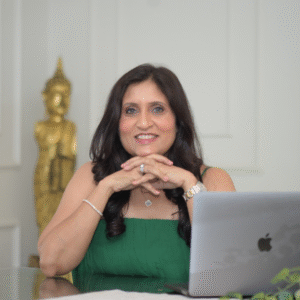
Under the guidance of Arrati Vinay Tuteja, individuals receive compassionate, personalized support tailored to their unique experiences and emotional needs. Through evidence-based therapeutic approaches and a client-centred focus, therapy aims to empower people to overcome anxiety and improve their overall quality of life.
Final Thoughts
Anxiety doesn’t have to control your life. While occasional stress is inevitable, learning healthy coping strategies can help you navigate challenges with greater confidence and emotional balance.
By practising mindfulness, challenging negative thoughts, maintaining healthy lifestyle habits, nurturing supportive relationships, and seeking professional guidance when needed, you can take meaningful steps toward improved mental well-being.
Remember that progress is a journey rather than a destination. Every small positive change contributes to building resilience and creating a calmer, healthier future.
If anxiety is preventing you from enjoying life or reaching your full potential, professional support is available. Taking the first step toward therapy may be one of the most valuable investments you make in your emotional health.